What’s the Difference Between an Architect, Building Designer, and Draftsperson in Australia?
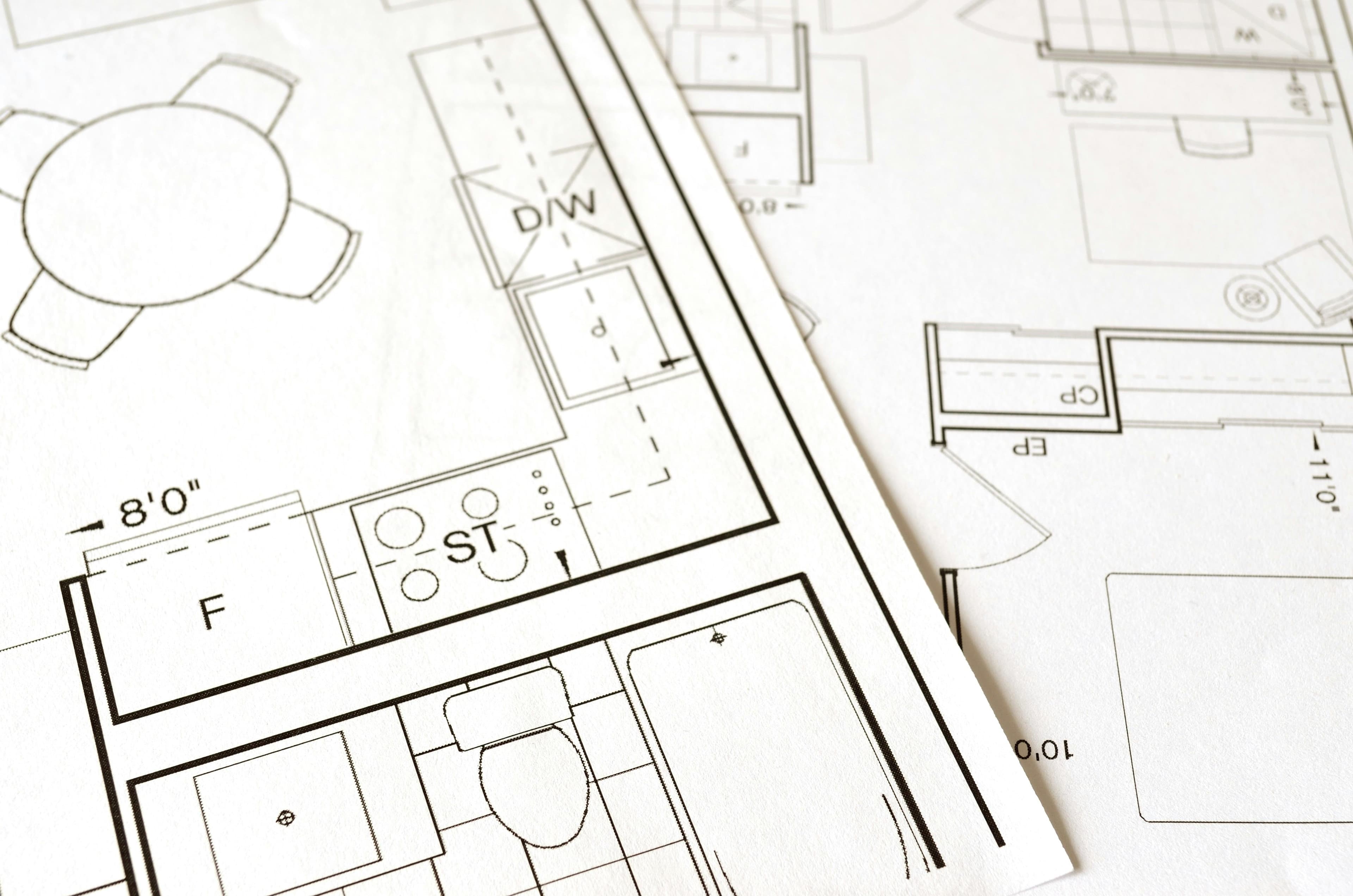
When you’re planning a new home or major renovation, you’ll quickly start hearing terms like architect, building designer, and draftsperson. On the surface they can all “draw plans”, but there are important differences in training, legal responsibilities, and the type of service you get.
Understanding these roles will help you pick the right professional for your budget, your block, and the complexity of your project.
What Is an Architect?
An architect is a university-qualified design professional who is also registered with a state or territory Architects Registration Board.
Key points:
- They must have an accredited architecture degree (usually 5+ years of study).
- They complete a supervised practical experience period.
- They must pass a registration exam and interview process.
- They are legally allowed to use the title “architect” or “registered architect” only if they are on the register in that state/territory.
Architects are trained in:
- Design and aesthetics
- Space planning and functionality
- Construction methods and materials
- Building codes and standards (including the NCC and relevant Australian Standards)
- Project coordination and contract administration
What Is a Building Designer?
A building designer is a design professional who prepares plans and documentation for buildings but is not registered as an architect.
In many states, building designers are also licensed or registered (for example, with the QBCC in Queensland or VBA in Victoria) and may be called:
- Building Designer
- Building Design Practitioner
- Draftsperson (Architectural)
- Licensed Building Designer
Their backgrounds vary:
- Some have TAFE qualifications in building design or architectural technology.
- Some may be former draftspersons with years of experience.
- Some specialise in residential work only (homes, townhouses, renovations).
Building designers often focus on:
- Practical, buildable designs
- Standard construction methods
- Cost-effective solutions
- Residential projects for volume builders or custom builders
What Is a Draftsperson (or Drafter)?
A draftsperson (or drafter) is primarily focused on technical drawings rather than full design services. They convert ideas, sketches, or mark-ups into detailed plans.
They usually have:
- TAFE or similar qualifications in drafting or building design
- Strong skills in CAD drafting software (and sometimes BIM software)
A draftsperson may:
- Document a design created by an architect or building designer
- Draw up house plans based on a builder’s standard design
- Help with amendments to existing plans (e.g. moving walls, windows, doors)
In some states (like Victoria), “draftsperson – architectural” can also be a registered building practitioner category. The title isn’t protected the way “architect” is, so you’ll see it used in a range of ways.
Why It Matters When Building a Home
Choosing between an architect, building designer, or draftsperson affects:
- Design quality and uniqueness – how customised and creative your home can be
- Budget – both design fees and build cost outcomes
- Compliance – meeting planning rules, NCC, and Australian Standards
- Support – who helps you through council/DA, building permit, and construction stage
- Risk – professional indemnity insurance and accountability if something goes wrong
The more complex your site or design, the more important it is to have someone with higher-level design and regulatory skills.
Key Components / What’s Included
Typical Services an Architect May Provide
- Initial design concepts and sketches
- Detailed architectural plans and elevations
- Coordination with engineers and other consultants
- Assistance with town planning applications and approvals
- Detailed documentation for building permits/certification
- Interior layouts and joinery design
- Specification of materials and finishes
- Tendering (getting quotes from builders)
- Contract administration (site visits, checking progress, variations, and payments)
Typical Services a Building Designer May Provide
- Concept designs and floor plans
- 3D visualisations (in many cases)
- Design development and documentation for building approval
- Coordination with structural engineer and energy assessor
- Assistance with planning and building approvals
- Advice on practical, cost-effective construction
Some building designers also offer interior design, colour selections, and tender assistance, but not all.
Typical Services a Draftsperson May Provide
- Detailed CAD drawings based on your sketches or a builder’s design
- Changes to standard plan sets
- Documentation for building approval (if suitably experienced)
- Site plans, floor plans, elevations, and basic details
They are usually less involved in design strategy and more focused on accurately documenting what has already been decided.
Regulation and Licensing Differences in Australia
Architects
- Must be registered with the Architects Registration Board in their state/territory (e.g. NSW ARB, Architects Registration Board of Victoria, etc.).
- The title “architect” is legally protected – you can’t call yourself one unless you’re registered.
- Must hold professional indemnity insurance and meet continuing professional development (CPD) requirements.
Building Designers
- Regulation varies by state:
- Queensland – Building designers must be licensed (e.g. Building Design – Low Rise / Medium Rise / Open) under QBCC.
- Victoria – Many are registered with the VBA under categories like “Draftsperson – Building Design (Architectural)”.
- NSW and others – Requirements depend on the type and class of building; there are specific rules for certain multi-residential and commercial buildings under the Design & Building Practitioners framework.
- Often must carry professional indemnity insurance if they are registered/licensed.
Draftspersons
- May be employed by architects, building designers, or builders.
- In some states, “draftsperson – architectural” is a registered practitioner category (e.g. Victoria).
- The title itself is not protected, so it’s important to check qualifications, experience, and insurance.
Why Costs or Outcomes Vary
1. Level of Design Involvement
- Architect – Often deeply involved from initial concept to completion. Designs are typically more tailored and may explore multiple options.
- Building Designer – Usually provides a customised design but may focus more on practicality and cost than high-end architectural expression.
- Draftsperson – Often documents a design that’s already been largely decided. Less time spent on concept exploration usually means lower design fees.
2. Experience and Specialisation
- High-end architect doing bespoke homes will cost more than someone doing standard project home documentation.
- A building designer who specialises in sloping sites or small blocks may deliver better value than a generalist.
3. Risk and Responsibility
- Professionals taking on more legal responsibility, coordination, and contract administration usually charge higher fees.
4. Project Type and Complexity
- Simple, single-storey home on a flat block – a building designer or experienced draftsperson can often handle it well.
- Steep, bushfire-prone, or flood-prone site, or very custom design – an architect or highly experienced building designer is usually advisable.
Typical Price Ranges in Australia (Very General Guide)
These are broad ballparks only and vary by state, practitioner, and project complexity. Always get written quotes.
Architects
- New home: often 8–15% of construction cost for full service (concept to handover).
- Some may offer fixed fees for design + documentation only, or hourly rates for smaller work.
Building Designers
- Often 3–8% of construction cost, or a fixed price for plans and documentation.
- May be more cost-effective for standard residential homes.
Draftspersons
- Commonly work on fixed-fee or hourly basis.
- Could be a few thousand dollars for standard house plans or amendments to existing designs, depending on scope.
Remember: a cheaper fee upfront doesn’t always mean cheaper overall if the design is inefficient to build or causes approval delays.
Pros and Cons of Each
Architect
Pros
- Highest level of formal design training
- Strong focus on aesthetics, functionality, and long-term liveability
- Can manage complex sites and planning issues
- Can administer the building contract and oversee the build
Cons
- Usually the highest design fees
- Some may focus on high-end or larger projects only
Building Designer
Pros
- Often very experienced in residential projects
- Typically more affordable than architects
- Practical, buildable designs suited to local builders
- Good value for standard to moderately complex homes
Cons
- Training and skill level can vary – need to check carefully
- May not offer full contract administration or extensive design options
Draftsperson
Pros
- Usually the most affordable option
- Ideal for documenting straightforward designs or builder-standard plans
- Good for minor alterations or extensions where design is simple
Cons
- Usually limited design input
- May not manage consultants, approvals, or construction stage
- Quality and regulatory knowledge can vary significantly
Tips for Home Builders
- Start with your project type and complexity
- Steep block, tricky planning controls, or a very custom home? Consider an architect or highly experienced building designer.
- Simple home on a straightforward block? A good building designer or draftsperson may be enough.
- Check registration and licences
- Confirm if they’re a registered architect or a licensed/registered building designer/draftsperson in your state.
- Ask for their registration or licence number and look them up on the relevant board or authority website.
- Ask about insurance
- Confirm they hold professional indemnity insurance. This is important protection if something goes wrong in the documentation.
- Look at real projects, not just pretty images
- Ask to see past projects similar to yours – same type of block, budget, and size.
- If possible, talk to previous clients about the process and how the plans performed once built.
- Be clear about scope of services
- Will they just do concept plans, or full plans plus approvals?
- Will they liaise with engineers, surveyors, energy assessors, and council?
- Will they stay involved during construction?
- Agree on fees and deliverables in writing
- Get a written agreement that sets out stages, fees, and what you will receive at each stage.
- Think long-term value, not just fee
- A better design can save money on build cost, improve energy efficiency, and make the home nicer to live in for decades.
Frequently Asked Questions
Do I legally need an architect to design my house?
In most Australian states, you don’t legally need an architect specifically for a standard detached house. A licensed building designer or suitably qualified draftsperson can usually prepare plans for council/DA and building approval. However, certain complex or high-risk building types (like larger apartment buildings) have stricter requirements.
Are building designers as good as architects?
Some building designers produce excellent, highly functional homes. The difference is less about the label and more about the individual’s skill, experience, and how well they understand your brief and site. Architects generally have more formal design training and are heavily regulated, but a strong building designer can be a great fit for many residential projects.
What’s the cheapest option for getting house plans?
A draftsperson is usually the cheapest, especially if they’re documenting a standard design or minor changes. Just remember to consider long-term value – sometimes spending a bit more on design can save on construction costs or avoid planning issues.
Can a draftsperson submit plans to council or private certifier?
Yes, in many cases a draftsperson or building designer can prepare and submit plans, as long as the documents meet the requirements of your local council and building regulations. Always confirm that they are familiar with your local council processes and the NCC.
How do I know who to choose for my project?
- If your project is complex, high-budget, or highly custom, lean towards an architect or very experienced building designer.
- If your project is moderately complex or you want good value with a custom design, a reputable building designer is often ideal.
- If your project is simple or based on a builder’s existing design, a draftsperson may be sufficient.
Meet with 2–3 professionals, compare their portfolios, discuss your budget openly, and choose the one who communicates clearly and understands your priorities.
Conclusion
Architects, building designers, and draftspersons all play important roles in Australia’s residential building industry, but they sit at different levels of training, regulation, and service.
For first-time home builders, the key is to match the right level of expertise to the complexity of your site and your design ambitions, while checking licences, registration, and experience. With the right professional on board from the start, you’ll have a smoother path through design, approvals, and construction – and a home that works for your lifestyle and budget.