What Are Site Costs and Why Do They Vary When Building a Home?
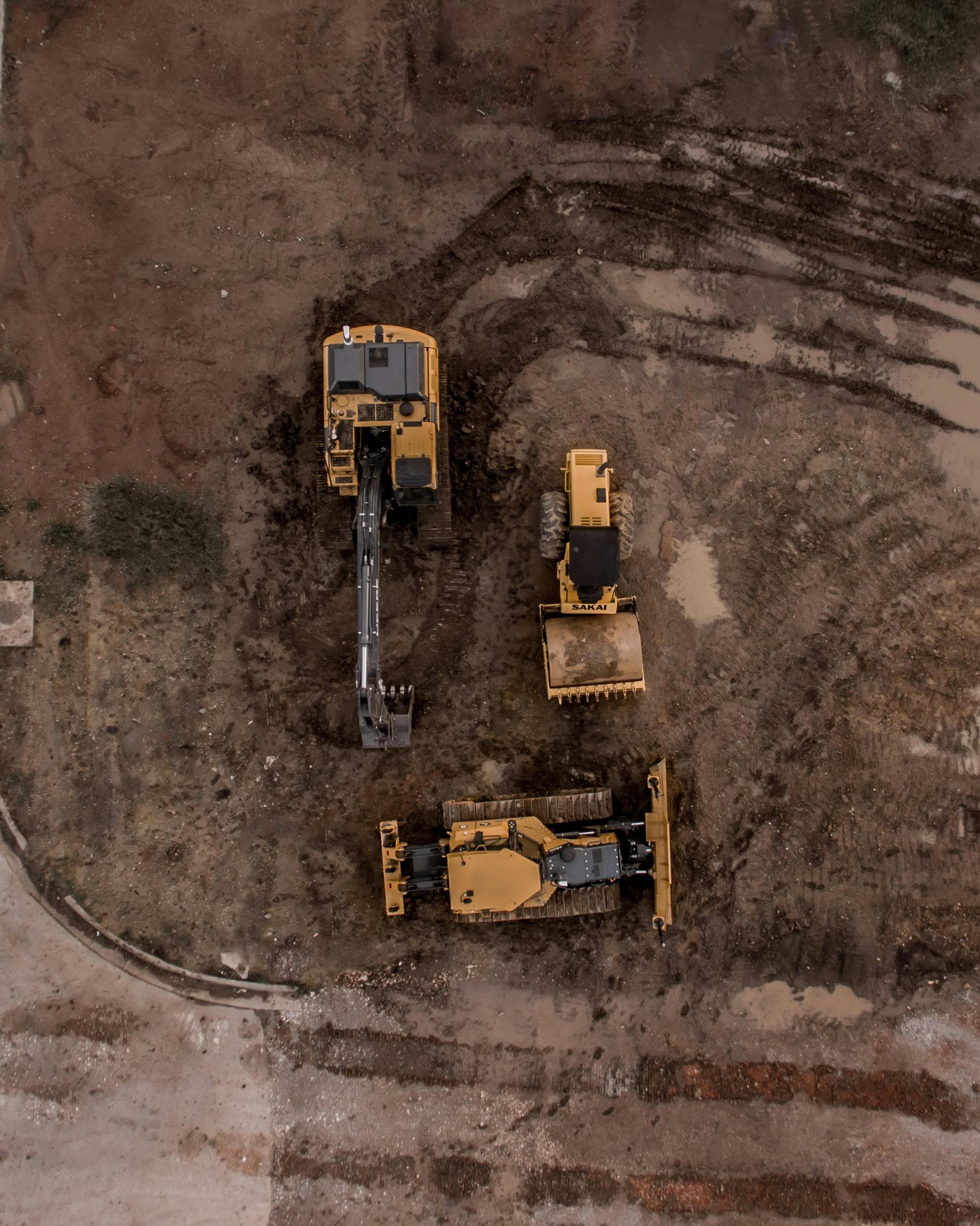
Before any Australian home can be built, the land must be prepared properly. These upfront expenses are known as site costs, and they can significantly affect your overall budget. Understanding what they include—and why they differ from block to block—helps you avoid unexpected surprises during the build.
What Are Site Costs?
Site costs are the expenses involved in preparing your land so a builder can lay the slab safely and compliantly. They cover everything from soil testing and earthworks to connections for essential services.
Put simply, site costs make the block ready for construction.
Why It Matters When Building a Home
Site costs directly influence your final contract price. They’re also one of the most common sources of budget blowouts for first-time builders because they depend heavily on site-specific conditions. Knowing what can affect them helps you compare quotes properly and plan with confidence.
Key Components / What’s Included
Most site costs in Australia include:
- Soil testing and site classification (e.g., Class M, H, or P)
- Earthworks such as cutting, filling, or levelling the block
- Screw piles or deep piering if the soil is reactive or unstable
- Rock excavation if the site contains hard rock
- Retaining walls to support level changes
- Drainage and stormwater management
- Service connections (water, sewer, power, NBN, gas where applicable)
- Sediment control measures to prevent erosion during construction
- Site accessibility (temporary fencing, machinery access, crane hire if needed)
Why Costs or Outcomes Vary
Site costs vary because no two blocks are the same. Factors that influence pricing include:
1. Soil Type and Classification
- Highly reactive clay soils (Class H or P) often require stronger footings or deep foundations.
- Stable sandy or loamy soils usually cost less.
2. Slope of the Block
- Sloping blocks may need cut-and-fill, retaining walls, or stepped footings.
- The steeper the slope, the higher the cost.
3. Rock or Hard Ground
- Excavating rock requires specialist equipment and more labour.
4. Access to the Site
- Narrow streets, tight lots, or obstacles increase machinery and labour costs.
- Rural or undeveloped land often needs extra work and additional temporary services.
5. Location and Local Regulations
- Different councils require different drainage, soil erosion, and engineering measures.
- Bushfire areas (BAL ratings) increase preparation requirements.
6. Underground Services Availability
- Some blocks have sewer, water, and power ready at the boundary.
- Others require extended trenching or upgrades.
Typical Price Ranges in Australia
While prices vary by state and builder, typical site cost ranges include:
- Flat suburban blocks: $10,000 – $25,000
- Moderately sloping blocks: $25,000 – $50,000
- Steep or complex sites: $50,000+
- Rock excavation or extreme soil reactivity: Additional $5,000 – $30,000+
Always treat these figures as estimates—your final price will depend on your soil report, site survey, and engineering requirements.
Tips for Home Builders
- Request a fixed-site-cost option if possible to reduce risk.
- Get a detailed soil test and contour survey early in the process.
- Ask your builder what’s excluded so you understand potential variations.
- Be cautious with cheap base prices—low advertised prices often assume minimal site works.
- Walk the block with your builder or an independent consultant to identify potential issues early.
Frequently Asked Questions
1. Can site costs be negotiated?
Sometimes, but only if the builder is confident about the site conditions. Fixed-price site costs are usually less negotiable because the builder assumes the risk.
2. When are site costs calculated?
They’re typically finalised after your soil test, survey, and engineering are completed—usually before signing the building contract.
3. Do all blocks need earthworks?
Almost all sites require some form of preparation, even flat blocks, such as basic levelling and service connections.
4. Are site costs included in house-and-land packages?
Often yes, but not always. Always check whether the package includes provisional or fixed site costs.
5. Can I reduce site costs?
In some cases—choosing a flatter block, avoiding high BAL areas, or selecting a home design suited to the site can help.
Conclusion
Site costs are a crucial part of the home-building budget and vary widely based on soil conditions, slope, access, and local requirements. By understanding what’s involved and reviewing your reports carefully, you can plan more accurately and avoid unexpected expenses during your build.